

LIV Golf: The Downfall the PGA Tour Has Waited For
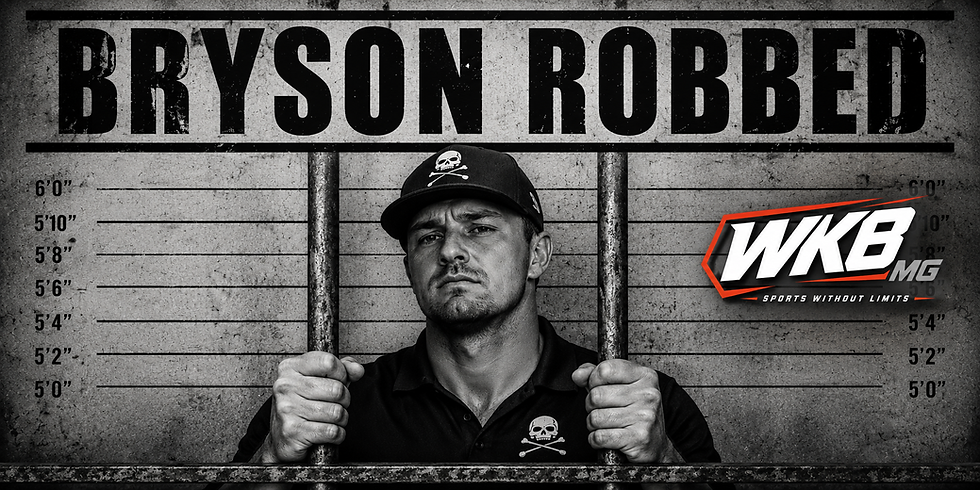
When LIV Golf launched in 2022, it looked like the PGA Tour had finally met its match. Backed by seemingly unlimited funding from Saudi Arabia's Public Investment Fund (PIF), LIV quickly signed some of the biggest names in golf, including Phil Mickelson, Dustin Johnson, Brooks Koepka, Bryson DeChambeau and Cameron Smith. Then came the biggest surprise of all when reigning Masters champion Jon Rahm left the PGA Tour in late 2023. If one of the game's brightest stars was willing to make the jump, many believed no player was untouchable. For a time, LIV appeared to have all the momentum. Today, however, the questions surrounding the league are much different than they were just a few years ago.

The Fear Is Gone
In LIV Golf's early years, every major announcement felt like another victory. Each signing added to the perception that the PGA Tour was losing its grip on professional golf. Dustin Johnson shocked the sport by leaving first, followed by Bryson DeChambeau and Brooks Koepka. Cameron Smith joined LIV shortly after winning The Open Championship, and Jon Rahm's blockbuster move only strengthened the belief that the PGA Tour could lose anyone. Every tournament seemed to spark another rumor, and every rumor carried the possibility of another seismic departure.
That atmosphere no longer exists. LIV hasn't landed another signing that has fundamentally changed the landscape of professional golf, and the headlines have shifted away from player movement. Instead, discussions now focus on business decisions, funding, television audiences and the league's long-term future. Whether fair or not, LIV no longer feels inevitable in the way it once did.
The Money Isn't Endless Anymore
LIV Golf's greatest competitive advantage has always been its financial backing. The resources provided by Saudi Arabia's Public Investment Fund allowed the league to offer contracts that completely changed the economics of professional golf. Those investments forced the PGA Tour to increase prize money, introduce Signature Events and rethink how it rewarded its players. Without that financial advantage, LIV likely never would have attracted so many stars so quickly.
That advantage may now be changing. Reports that PIF plans to end its direct funding of LIV after the 2026 season suggest the league could soon be operating under a different financial model. Rather than relying entirely on Saudi backing, LIV is reportedly seeking outside investment to help fund its future. If that proves to be the case, LIV will face many of the same business realities that every other sports league must navigate.
Adding to those financial concerns is a growing list of legal challenges. Most recently, Canadian technology company Mobii Systems Group filed a lawsuit against LIV Golf alleging the league failed to pay more than $1.1 million in licensing fees, usage fees and lost revenue tied to its "Any Shot, Any Time" broadcast technology. According to the complaint, LIV paid the company during the first year of its agreement but stopped making payments in 2026 before ending the partnership altogether. The case is now being heard in U.S. District Court in Miami.
The PGA Tour Finally Opened the Door Back
When LIV Golf first emerged, the PGA Tour's position was clear: players who left would be suspended, and there was little indication they would ever be welcomed back. The strategy was designed to discourage defections and reinforce the value of PGA Tour membership. It created a sharp divide between the two tours and forced players to view joining LIV as a permanent decision.
That approach has quietly evolved. Rather than permanently shutting out former LIV players, the PGA Tour has begun creating pathways for their return. Brooks Koepka has already returned through the Returning Member Program, while Patrick Reed has announced plans to return when eligible. Other former LIV players have reportedly explored reinstatement as well. The Tour no longer appears focused solely on preventing players from leaving—it's creating reasons for them to come back.
LIV Golf Just Lost Its Most Important Ally
One of LIV Golf's most ambitious long-term projects was its investment in the Asian Tour. Through the International Series, LIV hoped to establish a developmental pathway that could identify emerging talent while expanding its influence throughout Asia. It was more than a sponsorship agreement; it was an attempt to build an international system outside the PGA Tour's traditional structure.
That vision took a significant hit with the announcement that the Asian Tour would partner with the PGA Tour and DP World Tour. The agreement creates a more direct pathway for players to progress from the Asian Tour to the DP World Tour and eventually to the PGA Tour. For LIV, that means one of its most important strategic investments is no longer exclusively strengthening its own ecosystem. Instead, it now benefits the very organization LIV was created to challenge.
The Next Generation May Never Leave
LIV Golf's early success was built by convincing established stars to leave the PGA Tour. Sustaining that success will require something different: attracting the next generation before they become household names. Every sports league eventually reaches a point where today's stars begin to age, making player development and recruitment even more important than marquee signings.
The landscape facing young professionals today looks very different than it did in 2022. The PGA Tour now offers larger purses, equity opportunities through PGA Tour Enterprises and stronger international pathways through partnerships with tours around the world. As those opportunities continue to grow, emerging players may see fewer reasons to leave the traditional system. For LIV, winning the next battle may not be about signing another superstar—it may be about convincing tomorrow's stars to choose a different path before they ever reach the PGA Tour.
Do you think LIV Golf is dead in the water, or can they revitalize a once thrilling league?

Comments